
How to Transition from Fast Fashion to a Quiet Luxury Wardrobe
Learning how to transition from fast fashion to a quiet luxury wardrobe does not require replacing everything you own at once. A more lasting change starts with how you assess fit, comfort, construction, versatility, and relevance to your real life.
Read the SPHILISTINE guide to quiet luxury fashion for broader context on considered dressing.
The most practical approach is to audit what you own, define your personal criteria, replace weak links gradually, and choose versatile pieces you will wear often. Quiet luxury is not a fixed item count, color palette, or price point. It is a deliberate way to buy, wear, and care for clothing.
That approach can help professionals, creatives, and entrepreneurs move between work, travel, social plans, and everyday life without making a wardrobe feel restrictive. The goal is a clearer foundation that still leaves room for personal expression.
Why the Transition Starts With Criteria, Not a Shopping List
A wardrobe transition works best when you decide what makes a piece worth keeping before deciding what to buy next. Start with the situations your clothes need to support, then define a short list of standards for fit, comfort, quality, versatility, and personal relevance.
Before adding a garment, ask:
- Does the silhouette work with the proportions you enjoy wearing?
- Can you name at least three settings or outfits where it would be useful?
- Does it feel comfortable through a full day of movement?
- Does the design feel like you without relying on a short-lived trend?
- Can you understand how the garment was made and cared for?
These questions are more useful than a generic list of colors or supposedly essential items. A garment is not automatically a value because it is inexpensive, and a premium price does not guarantee that it belongs in your wardrobe. The right criteria keep the decision connected to your life.
How Do You Audit What You Already Own Before Buying Anything New?
Audit your existing wardrobe by observing what you actually wear, what you reach for repeatedly, and what creates friction. This gives you a practical view of your preferences, gaps, and duplicates.
- Pull out your repeat wears. Set aside the clothing you choose for work, travel, weekends, and social plans without much thought. These pieces reveal your real preferences.
- Separate the reliable from the difficult. Note items that pinch, lose shape, require constant adjustment, or only work with one outfit.
- Check condition and fit. Look at seams, hems, collars, closures, fabric feel, and signs of wear. Put useful pieces that need a simple repair or alteration in a repair category.
- Group by function. Create practical groups such as daily foundations, work-ready pieces, travel layers, and occasional items. This shows where you have excess and where one versatile addition could help.
- Record the gaps. Write down missing functions, not a long wish list. You may need a polished base layer that works under a jacket and with relaxed trousers, rather than another shirt that only looks different in a product photo.
The result should be a short, specific buying plan. Keep what fits your life, repair what can be restored, pass on what no longer serves you responsibly. And pause before replacing anything that has not earned a clear place.
What Should You Look for in a Genuine Quiet Luxury Piece?
A well-chosen piece earns attention through usefulness and finish rather than a loud logo or a fleeting trend. Evaluate how the garment sits on the body, feels after hours of wear, holds its shape, and works with the rest of your wardrobe.
Use these criteria when comparing a potential purchase:
| Criterion | What to examine | Why it matters |
|---|---|---|
| Fit | Shoulders, length, ease, and movement | A considered fit makes a simple garment look intentional and feel comfortable. |
| Fabric and feel | Weight, hand feel, breathability, and recovery | Comfort affects whether a piece becomes a repeat wear. |
| Construction | Stitching, hems, collar shape, seams, and finishing | Small details influence durability and shape. |
| Versatility | Outfit combinations and settings | A useful piece supports more of your real week. |
| Relevance | Connection to your style and routines | The best wardrobe is personal, not a copy of someone else's. |
Quiet luxury is best understood as a practice of discernment, not a code that tells everyone to dress alike. The SPHILISTINE quiet luxury fashion guide offers additional context, but your own lifestyle should determine how you apply it.
How Can You Phase Out Fast Fashion Gradually Without Wasting What You Have?
Change your next purchase instead of treating your existing wardrobe as a failure. Keep wearable pieces in rotation, repair or alter what has potential, and replace items when they no longer serve a clear purpose or consistently fail your criteria.
- Pause impulse replenishment. Give yourself time to consider whether a trend-led item serves a real function in your wardrobe.
- Replace the weakest link first. Choose the garment that creates the most friction in your week. Improving one frequently used foundation can have more impact than adding several occasional pieces.
- Use a one-in, one-out rule only when it helps. If your closet is crowded, let a new purchase replace a piece that no longer fits your life. If a true gap exists, do not discard a useful garment just to satisfy a rule.
- Care for the pieces you keep. Follow the care label, store garments so their shape is supported, and address small repairs before they become larger problems.
A practical transition may happen over seasons rather than days. The important shift is that each purchase answers a real need and meets your standards. Over time, your wardrobe becomes more coherent because it contains fewer accidental choices, not because every item looks identical.
Why Do Fewer, Better-Chosen Garments Change the Way You Get Dressed?
Fewer, better-chosen garments can reduce decision fatigue because more of the wardrobe works together. When fit, palette, proportions, and function are considered as a system, getting dressed becomes a choice between good options rather than a new styling problem every morning.
A focused wardrobe does not have to be plain. Personal expression can come through proportion, texture, color, accessories, and the way you combine familiar pieces. A dependable foundation can make those choices more visible.
It can also change how you shop. Instead of asking whether a garment is exciting in isolation, ask whether it improves the combinations you already wear. That is where quality and versatility become practical. The goal is more useful outfits, fewer regretted purchases, and clothing that supports the pace of your life.
Learn how SPHILISTINE approaches purposeful design as you refine the standards behind your wardrobe plan.
What Does a Quiet Luxury Starting Point Look Like in Practice?
A practical starting point can be one dependable foundation, two or three compatible outfit partners, and a clear plan for what to add next. Begin with the category that receives the most wear in your life, such as a refined everyday top, a versatile layer, or trousers that can move between settings.
Use this simple 90-day framework:
- Days 1-30: Audit your wardrobe, repair what is worth keeping, and stop buying duplicates. Write down the one function that would make the biggest difference.
- Days 31-60: Research that function and compare fit, feel, construction, care, and versatility in the context of your existing clothes.
- Days 61-90: Make one considered purchase only if it meets your criteria. Wear it repeatedly, notice what it improves, and use that experience to guide your next decision.
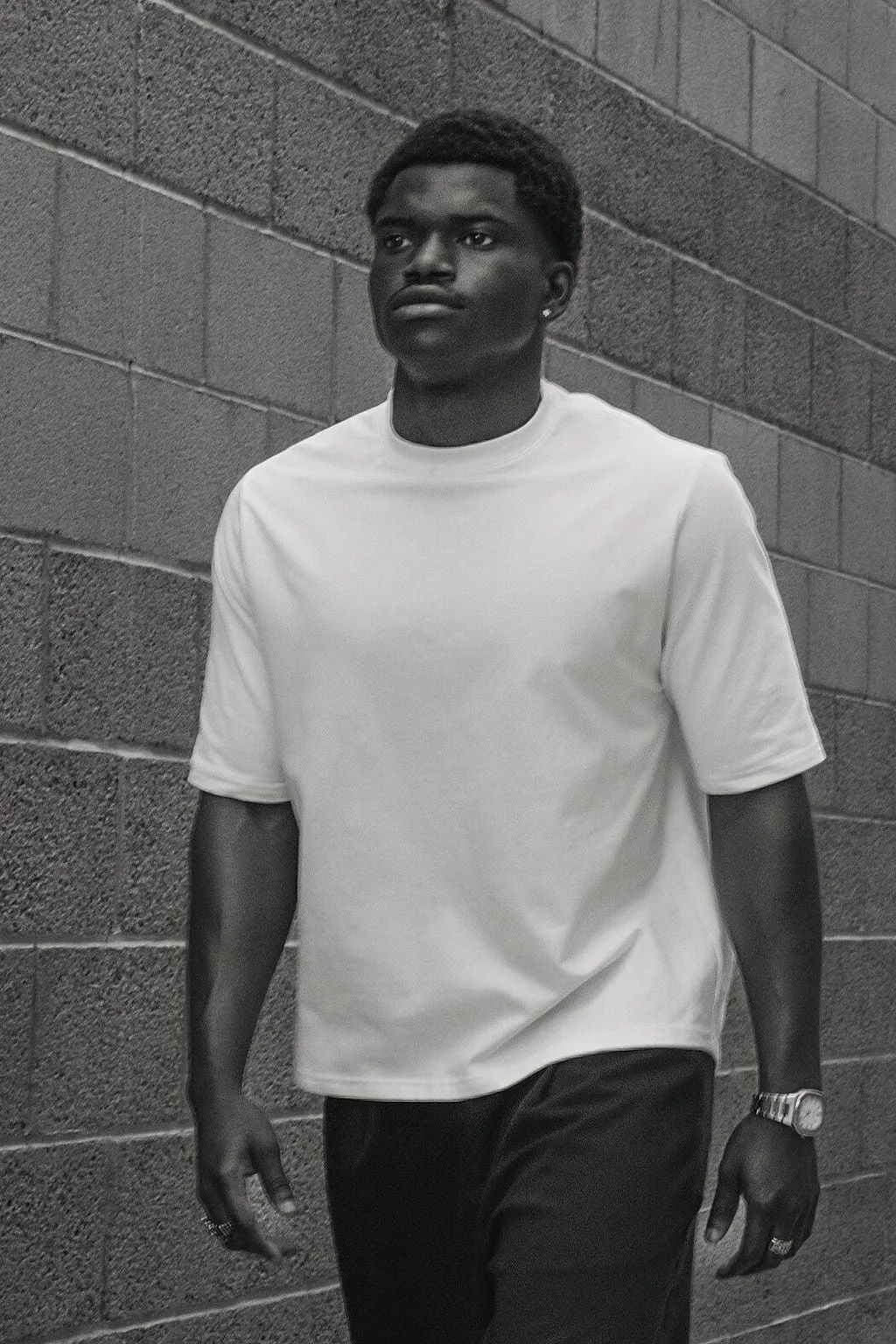
The SPHILISTINE Signature Unisex T-Shirt is one example of a refined everyday foundation. Its tailored unisex fit and versatile design can serve as a base for personal routines and elevated casual looks.
For SPHILISTINE, this approach reflects the "Wear What Matters" philosophy: choose with intention, value quality and comfort, and allow personal style to develop over time. Purpose can be part of a wardrobe decision without making the result impersonal.
Ready to make your next wardrobe decision more deliberate? Visit SPHILISTINE New Arrivals and choose the piece that answers a real need in your closet.
Frequently Asked Questions
Do I need to replace my whole wardrobe to move away from fast fashion?
No. Keep wearable pieces that fit your life, repair what can be restored, and replace items gradually when they stop serving a clear purpose. The transition is a change in decision-making, not an immediate closet reset.
Is quiet luxury the same as wearing only neutral colors?
No. Neutral colors can support a cohesive wardrobe, but fit, comfort, construction, versatility, and personal relevance matter more than following a fixed palette.
How much should I spend on a quiet luxury wardrobe?
There is no universal budget. Start with what you can spend responsibly, define your criteria, and prioritize garments that receive frequent wear. A higher price does not guarantee quality.
What should I buy first when building a quieter wardrobe?
Start with the gap that affects your week most often. A versatile foundation that works across several settings can be a stronger first step than an occasional statement piece, provided it fits well and meets your standards.
Can a quiet luxury wardrobe still show personality?
Yes. A considered foundation leaves room for personality through proportion, color, texture, accessories, and styling. The purpose is to make personal expression more intentional, not to remove it.